
mounted vanity mirror with lights
In an era where environmental consciousness is at an all - time high, the concept of recycling and sustainability extends to every aspect of our lives, including industrial and household components. Metal valves , crucial for controlling water flow and pressure, especially the main valve water in homes and industries, have a significant role to play in the sustainability narrative. This soft article delves into the importance of metal valve recycling and how it contributes to a more sustainable future, exploring its various aspects through specific sub - headings. The Environmental Impact of Metal Valve Disposal When metal valves reach the end of their useful life, improper disposal can have severe environmental consequences. Many valves , especially those made from metals like steel, iron, and brass, if discarded in landfills, can leach harmful substances into the soil and groundwater over time. The main valve water , being a critical component in water supply systems, when its associated metal valves are not disposed of correctly, can pose risks to the very water sources they once protected. Recycling metal valves helps to mitigate these environmental hazards by reducing the amount of waste in landfills and preventing potential pollution. The Process of Metal Valve Recycling Recycling metal valves is a complex yet essential process. First, the used valves , including those related to main valve water systems, are collected from various sources, such as construction sites, industrial facilities, and residential areas. These metal valves are then sorted based on their metal composition. Different metals require different recycling processes. For instance, ferrous metals are separated using magnetic separation techniques, while non - ferrous metals like copper and brass are processed through smelting and refining. The recycled metal can then be used to manufacture new valves or other metal products, reducing the demand for virgin metals and conserving natural resources. Metal Valve Recycling and Sustainable Manufacturing The integration of recycled metal valves into the manufacturing process is a key step towards sustainable production. By using recycled metals, manufacturers can significantly reduce their energy consumption and carbon footprint. Compared to extracting and processing virgin metals, recycling metal valves requires less energy, which in turn decreases greenhouse gas emissions. For main valve water systems, using recycled metal valves not only promotes environmental sustainability but also ensures a more cost - effective and reliable supply of these crucial components. F AQ s about Metal Valve Recycling and Sustainability What are the primary advantages of choosing Metal Valve Recycling? Recycling metal valves offers multiple benefits. Firstly, it helps in conserving natural resources by reducing the need for virgin metal extraction. This, in turn, preserves the environment and ecosystems that are affected by mining activities. Secondly, it significantly reduces energy consumption, leading to a decrease in greenhouse gas emissions. For those concerned about the main valve water systems in their homes or industries, using recycled metal valves ensures a more sustainable and eco - friendly solution without compromising on quality. How does Metal Valve Recycling contribute to the sustainability of Main Valve Water systems? Metal valve recycling is integral to the sustainability of main valve water systems. By using recycled metal valves in these systems, we reduce the environmental impact associated with the production of new valves. Additionally, recycled metal valves are often as durable and reliable as new ones, ensuring the long - term functionality of main valve water systems. This means less frequent replacements and repairs, further contributing to sustainability by reducing waste generation. Are recycled Metal Valves as reliable as new ones for Valve applications? Yes, recycled metal valves are highly reliable for various valve applications. The recycling process thoroughly cleans and refines the metal, removing any impurities or defects. As a result, the recycled metal valves can meet the same quality and performance standards as new valves. Whether it's for a simple household valve or a complex main valve water system in an industrial setting, recycled metal valves offer consistent and dependable performance. How can I contribute to Metal Valve Recycling? You can contribute to metal valve recycling in several ways. When replacing valves in your home or business, especially those related to main valve water systems, ensure that the old metal valves are properly recycled. You can contact local recycling centers or waste management services that specialize in metal recycling. Additionally, if you're involved in construction or industrial projects, encourage your contractors and suppliers to adopt sustainable practices, including the recycling of metal valves . What long - term benefits can I expect from using recycled Metal Valves in my Valve systems? Using recycled metal valves in your valve systems offers long - term benefits both for you and the environment. In terms of cost - savings, recycled metal valves are often more affordable than new ones. From an environmental perspective, you're actively participating in reducing waste and conserving resources. For main valve water systems, the reliability of recycled metal valves means fewer disruptions and lower maintenance costs over time, making it a smart and sustainable choice.
about
mounted vanity mirror with lights
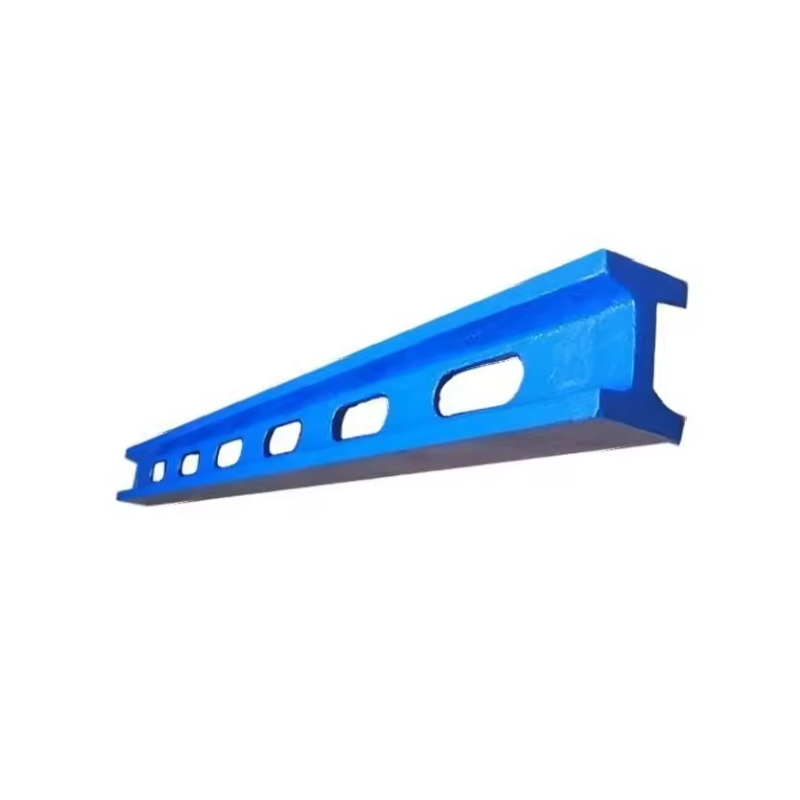
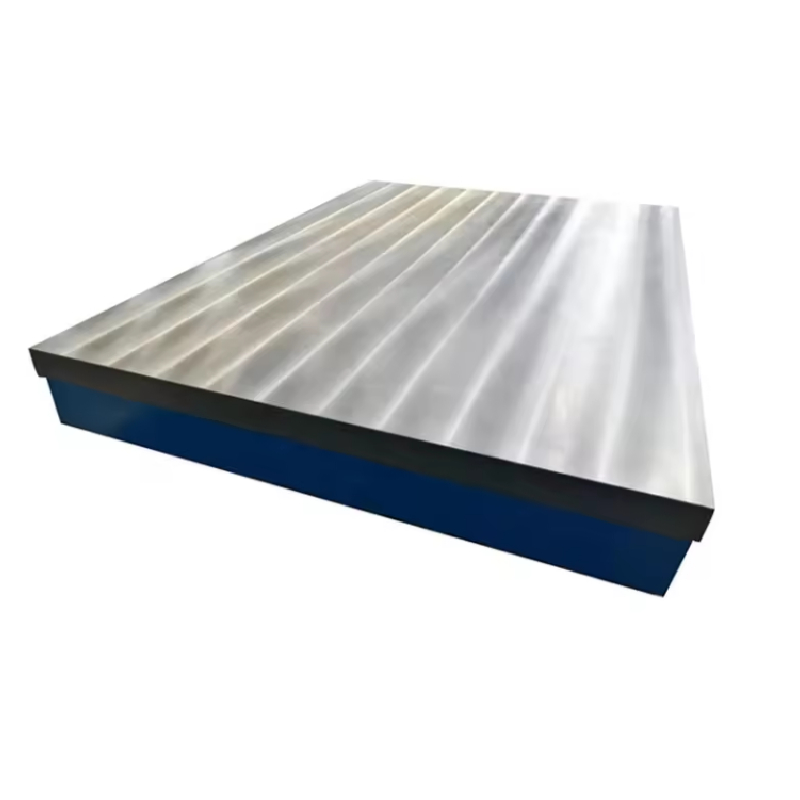
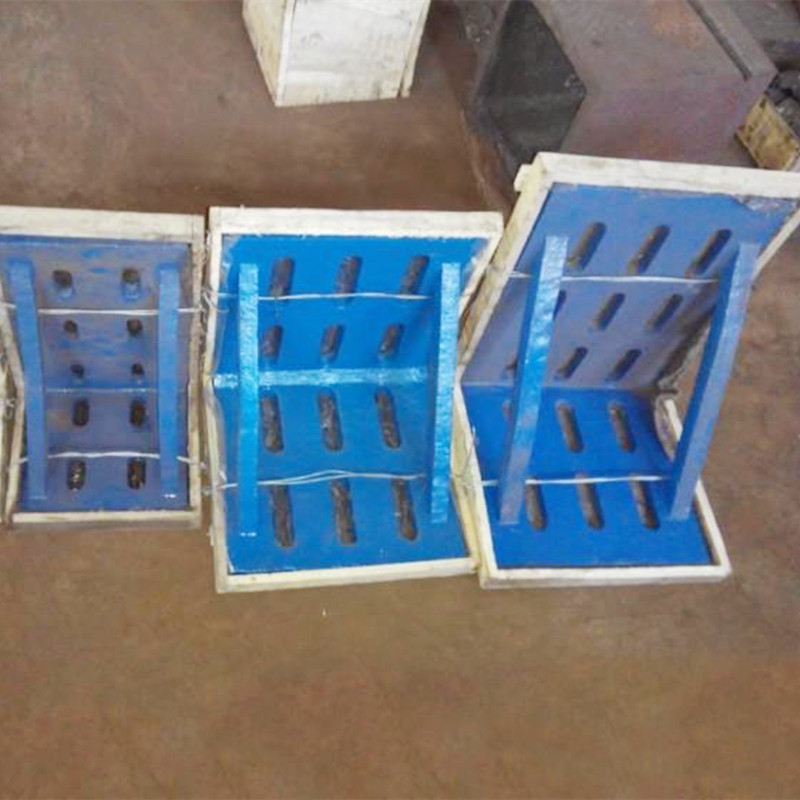
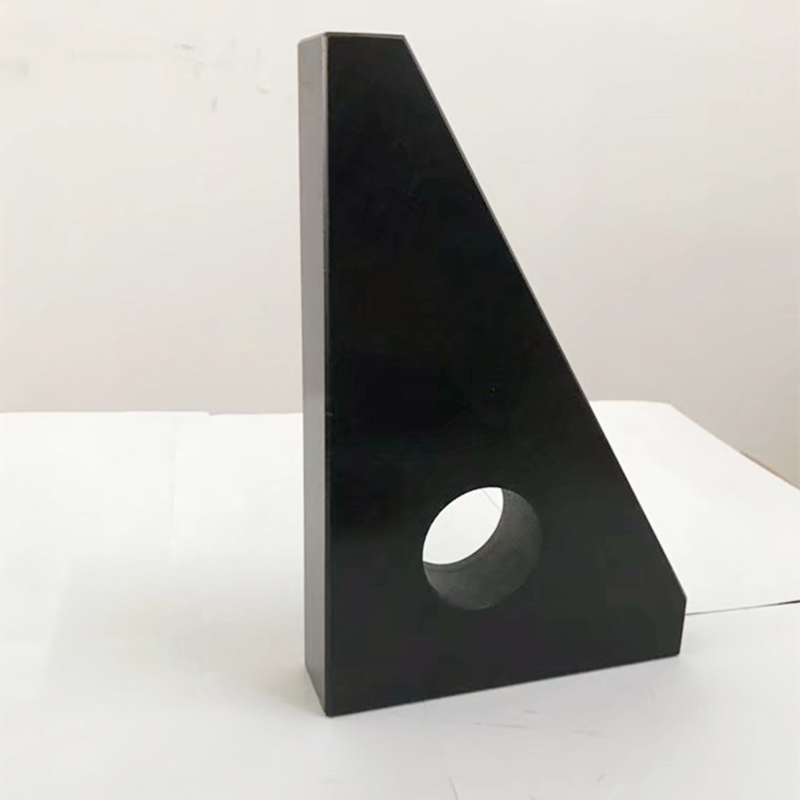
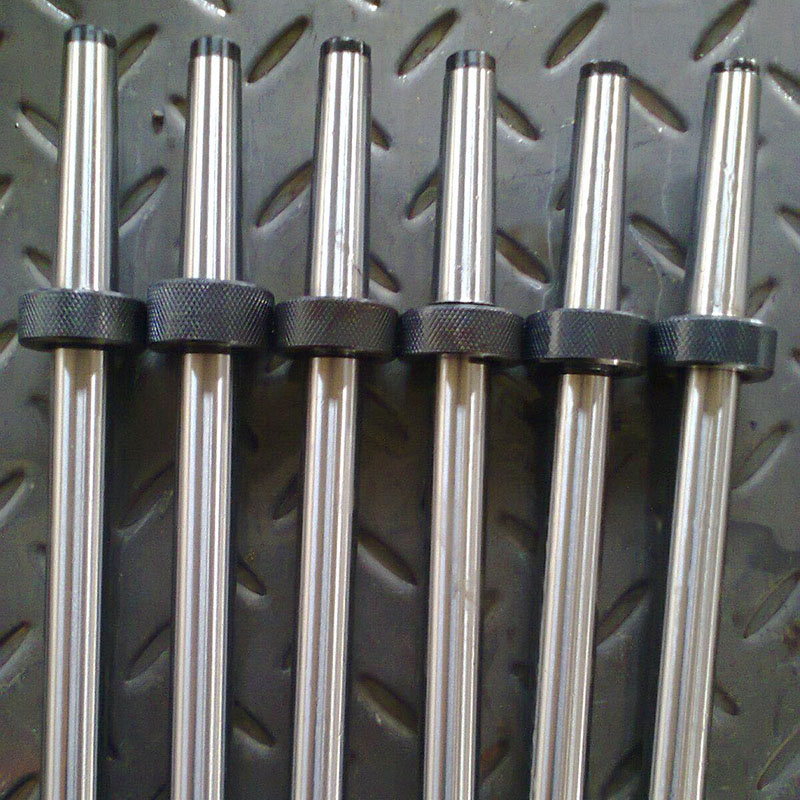
Marking Out Tools for Metalworking Precision and Importance In the world of metalworking, accuracy is paramount. Whether you are crafting intricate parts for machinery or building frameworks for structural applications, the precision of your work can make the difference between success and failure. One of the most critical aspects of achieving this accuracy is the marking out process, which involves marking dimensions and guidelines on the metal before cutting or shaping it. This is where marking out tools come into play. Marking out tools for metal are essential for ensuring that measurements are correct and that cuts are made in the right locations. There is a wide variety of these tools available, each designed for specific applications, materials, and types of work. Let’s explore some of the most common marking out tools used in metalworking. 1. Scribes A scriber is a sharp tool, often made of hardened steel, that is used to make precise marks on metal surfaces. It can produce fine lines that are crucial for accurate cutting. The advantage of a scriber over other marking methods is that it does not wear away the material as much, allowing for more effective guiding during cutting processes. Scribes can also be used to mark various metals, including steel, aluminum, and copper. 2. Marking Gauges Marking gauges are tools used to ensure that a consistent distance from a reference edge is maintained while marking. They are particularly useful in woodworking, but their metalworking counterparts serve a similar purpose. A typical marking gauge consists of a beam with a pointed end and an adjustable slider that allows the user to set the desired measurement. This tool ensures uniformity in spacing, which is crucial for repeated tasks in production settings. 3. Layout Fluid marking out tools for metal For larger metal sections, layout fluid is an indispensable tool. This liquid, often colored blue or red, is applied to the metal surface to create a visible contrast against the material. Once the layout fluid dries, it provides a clean surface for marking with a scribe or other implement. The marks are easy to see without overshadowing the surface of the metal, helping machinists maintain accuracy while cutting the material. 4. Steel Rules and Calipers Measurement is a foundational part of the marking out process, and tools like steel rules and calipers are fundamental in achieving precise dimensions. Steel rules are typically marked in both metric and imperial units, offering a versatile tool for measuring lengths and distances. Calipers, whether inside or outside, allow for even more detailed measurements, including internal diameters and depths. Together, these tools facilitate accurate marking based on precise measurements, which enhances the quality of the final product. 5. Center Punches Before drilling holes in metal, using a center punch is advisable to create an indentation at the desired location. This dent helps to prevent the drill bit from wandering, ensuring that holes are drilled exactly where intended. A center punch not only improves accuracy but also reduces the risk of damaging the metal. Conclusion In conclusion, the choice of marking out tools significantly influences the precision of metalworking projects. Scribes, marking gauges, layout fluid, steel rules, calipers, and center punches are just a few examples of tools that facilitate accurate marking and measurements. Investing in quality marking out tools can enhance efficiency, reduce waste, and ultimately lead to better quality metalwork. For anyone involved in metal fabrication—be they hobbyists or professionals—understanding and utilizing these marking out tools is a vital step towards achieving precision and excellence in their craft.
-

High quality industrial productsagement

High quality industrial products
View Details -

Meet the diverse needs of customers

Meet the diverse needs of customers
View Details -

Strict quality control

Strict quality control
View Details -

Top raw materials

Top raw materials
View Details -

Trusted supplier

Trusted supplier
View Details
Our application
news and information
y type filter
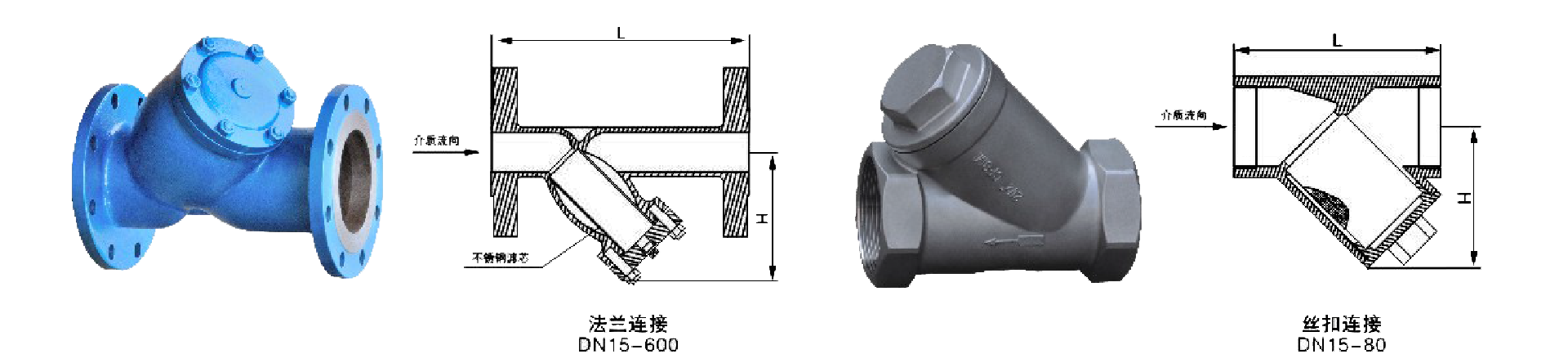
Understanding Y-Type Filters A Comprehensive Overview In the intricate world of fluid dynamics and s
Y Shaped Strainer for Efficient Filtration and Fluid Management Solutions
Understanding Y-Shaped Strainers Essential Components in Fluid Systems In various industrial and com
valve for sale
Understanding the Importance of Quality Valves for Sale Expert Insights For those heavily invested i
 English